

Menu Close

SINGAPORE BEST ALCOHOL DELIVERY FOR ANY INFO PLEASE CONTACT 96154546.

Search Results for: gin

The Importance of Proper Wine Storage

Nothing says “I’ve had a long day and I need to unwind” more than a glass of wine. The next time you gloss past the wine selection on your favourite online liquor wholesale store, pick a new bottle of wine that catches your eye and try it out. Share it with some friends, and if you don’t like it you can always put it aside. However, if you do decide to keep it around for a bit before uncorking it, these points might save your wine from turning putrid in the warm Singapore climate.

The Perfect Temperature

The ideal temperature for storing wine varies heavily on the type and vintage – white wines, sparkling wines and sweet wines should be stored at around 8 degrees celsius. Meanwhile, red wines, full-bodied or port, prefer a balmier average of 15 degrees celsius. The cause for this difference is the presence of tannins in the red wine which react adversely to temperatures that exceed tolerance. Storing your wine at the appropriate temperatures allows the contents to mature and age properly, bringing out its best flavours.

Of course, in a country that averages 25 to 31 degrees year-round, it can be tricky to store your wine at the perfect temperature. If that thought has you panicking, fear not. The aforementioned temperatures serve as a guideline for enthusiasts who consciously want their wine to develop a certain way over a prolonged period of time. If you’re like us and have to resist the temptation to uncork every bottle within a fortnight of purchase, you shouldn’t have anything to worry about.

Location and Position Matters

After establishing the range of temperatures that suit wine storage, conventional wisdom dictates that the fridge would be a perfect place to store wine. Well, yes and no. Keeping wine on a fridge shelf might be suitable for a few months but if you’re looking for a long term storage option, it just won’t do.

The basic design of a fridge is meant to keep food safe from bacteria, reducing the risks of food poisoning. To ensure this, most fridges keep a constant temperature of about 4 degrees celsius. What happens to your wine at this temperature? Over a protracted period of time, the cork dries out. If you’ve ever opened a bottle of wine and had the cork literally disintegrate under your wine opener, it’s probably because of the moisture being removed from the fridging process.

Experts also recommend that wine bottles be kept in a horizontal position, to ensure the wine is in contact with the cork. Again, this prevents it from drying out and ruining your wine tasting experience.

Unfinished Business

Storing a bottle of opened wine is a simple task if you’re bougie like us and bought one with a screw on cap. But what if you were splurging for a nice occasion and uncorked an expensive bottle of wine, only to leave it unfinished?

The first thing to take note of is to always save the cork in order to seal it. In addition, it might be tempting to use the unstained side to re-cork it, but the bacteria on the exposed portion might leave your wine spoiling in a day or two.

Another way to store a half-consumed bottle of wine would be to pour it into a clean glass container, filling it to the brim. By doing so, you eliminate any residual air and bacteria, which is the main contributor to wine turning sour.

Get Your Bottle of Red or White at JARBARLAR

Whether you’re a wine novice looking for a place to begin, or a veteran who can tell a wine’s country of origin from smell alone – JARBARLAR’s collection of red and white wines in Singapore has all you could desire.

Check out our impressive selection of wines and other alcohol available for delivery now, at JARBARLAR.

Know Your Ciders | All About Apple Ciders

All About Apple Ciders

Cider – the crisp, complex, alcoholic beverage made from pressed apples that originated in Britain, but what is cider exactly?

Cider is basically fermented apple juice fermented by fruit-borne yeast or added yeast. There are sparkling and still variations, but it mostly depends on what type of apples are being used and the production process. Ciders commonly found in Singapore are typically low in alcohol content with about 3-4% ABV, but most ciders are about 6-8% ABV, with some French variations going up to above 10% ABV.

Most American ciders are produced with Winesaps and Golden Russets, which are also commercially sold for consumption as a fruit. However, apples used to make ciders should traditionally be extremely tart and tannic, with high levels of acid and sugar, making them unsuitable for eating.

Types of Ciders

Heritage Ciders

Heritage ciders, or otherwise known as traditional ciders, are made from cider-specific bittersweet/bittersharp apples, with wild or crab apples added for acidity. These apples yield ciders that are higher in acidity, bitterness and complex aromas. Heritage ciders in the market include Strongbow Gold and Magners Original Irish Cider.                                      

Flavour: Complex with dryness and bitterness

Appearance: Yellow or amber, clear to hazy variants

Modern Ciders

Modern ciders are made with table apples such as Mcintosh, Golden Russets or Gala. They are usually low in tannins and higher in acidity but taste incredibly refreshing. Popular modern ciders include Singapore favourite Somersby Apple Cider and Growers HoneyCrisp Apple Flavoured.                                              

Flavour: refreshing with strong apple character

Appearance: Pale to yellow, clear to hazy variants

Fruit Ciders

Fruit ciders are apple-based ciders that have other fruits or fruit juices added before or after fermentation. With the addition of fruits other than apples, the cider’s flavour changes according to the added fruits. Fruit ciders typically include cherry, cranberry, blueberry and peach on top of apples.                                                         

Flavour: additional aroma and flavour from added fruits

Colour: varies according to fruits added

Wood-Aged Ciders

Wood/barrel-aged ciders are apple-based ciders that have a wood or barrel-aged character as part of their overall flavour profile. Its flavour intensity is mostly based on the proportion of wood and cider used. 

Flavour: notable cider character along with wood/barrel character

Appearance: clear to brilliant

Cider Around The World

Most of the cider we consume are produced in England, France and Spain, the three leading producers of the world’s ciders. 

English ciders taste just like modern ciders because, well, they are modern ciders. However, its traditional farmhouse cider,  Scrumpy, is drier, more complex and comes still or sparkling.

French cidre, on the other hand, produces the world’s most elegant ciders – sweet, tannic and naturally sparkling, thanks to the unique process of keeving.

Spain’s sidra is probably the most interesting of the bunch. Made with high-acid apples, the ciders are fermented in oak barrels at warmer temperatures to produce a “funky” and sour cider that resembles beer.

Get Somersby Apple Cider From JARBARLAR

Thinking of knocking back a couple of cold ciders with your friends this weekend? Why not get your supply of Somersby Apple Cider online at JARBARLAR instead of lugging back a heavy case of 24 cans back from the supermarket.

Simply make your purchase online, and JARBARLAR will deliver your alcohol to your doorstep the next day. Spend a minimum of $50 to be eligible for free delivery within Singapore. Don’t forget to register as a member and earn points for your purchase! Points can be used to redeem cash vouchers that can be used for your next purchase.

Visit our website to take a look at our full collection of alcohol.

How to Pick a Good Bottle of Wine

Yebisu Premium Beer 350ml x 24 cans

Thinking of getting into the wine game? Well, one of the first things to do would be to learn how to choose a good bottle of wine. What constitutes a good bottle of wine, you ask? 

Good wines are a balance of the terroir (the French term for describing the combination of environmental effects upon the grape), the grape and the hand of the winemaker. While it is easy to say that any good year produces a good wine, that is simply not true. A good winemaker learns to coax the best out of any grape, regardless of whether the vineyard has suffered through a long wet harvest, or even a short hot one. Experience can help dictate how a winemaker reacts to the grapes he has been given, and can help produce ethereal products out of poorer years. 

While the best advice that can be given is to try every bottle and see what you enjoy, we have also endeavoured to provide a short, handy guide to help provide a launching point for your new interest in wine. Santé!

Look Out For Typicity, or Typicité

One thing that many people look for in wine is typicity, or typicité, in its original French. Typicity refers to the wine representing where and what it has come from. For example, drinking a Napa Cabernet Sauvignon, with its ripe fruit, lush aroma and tight tannins, should be telling of its hot days and cool nights spent in the valley, coupled with the winemakers’ hand of French Barrels to tamper and provide a spicy, chocolate-y backdrop upon which to shin. 

As winemaking progresses, winemakers have also stretched their repertoire to try different techniques or expressions. In recent years, there has been a recent rise in the number of orange wines experimented from places other than Italy, leaving white grapes on their skins, to produce something unique, more complex and full-bodied. This explosion of new and experimental wines has provided an exciting avenue of exploration that often leads to the exception to the rule, providing an exciting adventure in every bottle that cannot always be captured only by academic preparation.

Get Familiar with Varietals

Knowledge of good wine is often laid upon a foundation of the grapes typical of a region, its climate, and the winemaking techniques, and this undoubtedly still holds true.    

If you are just dipping your toes in the world of wine and aren’t too sure about the wine selection process, a good way to spot a good bottle would be to get yourself familiarised with your favourite types of grapes, or “varietals”. Since there are more than 10,000 types of grapes out there, go with the more popular ones first to figure out what suits your taste buds best! As a brief guide, go with best-sellers like Cabernet Sauvignon or Pinot Noir to lesser known ones like Rkatsiteli and Petit Syrah.

Go With Widely Popular Wines

If you are in a rush and don’t have time to go looking for a nice bottle of wine to impress your boss at the upcoming team dinner, just go with everyone’s favourites!

Cabernet Sauvignon

The Cabernet Sauvignon is probably one of the most popular choices for wine lovers everywhere, judging by its yearly sales numbers. Within a bottle of Cabernet Sauvignon, you can expect to find flavours of darker fruits such as cranberries and black cherry, with noticeable tannins. Its lingering finish is a plus point for red wine lovers, and it is also a great option when pairing with meaty or grilled meals.

Pinot Noir

Pinot Noir is an excellent choice in which you and your friends can anticipate elements of earth, cherry, cranberry and rose within a bottle. It is a lighter and more delicate choice among other red wines and usually comes with nice acidity and minimal tannins (smoother texture), perfect for pairing with salmon or pasta dishes.

Sauvignon Blanc

When enjoying a bottle of Sauvignon Blanc, expect to be greeted with grassy, grapefruit or green bell pepper flavours. However, the Sauvignon Blanc is a light white wine that can also offer flavours that include mint, melon and kiwi. Both a sweet and dry wine, it is an interesting choice with a lot of character to offer.

Serving Your Wine

Now that you have chosen a great bottle of wine, the next step would be to serve it properly. You wouldn’t want to waste a good bottle, would you? Seasoned wine drinkers will agree that decanting can form an essential part of the process by helping to aerate young wines, opening up tight tannings, or even, by letting older wines breathe. This has the added advantage on older wines of ensuring that sediment at the bottom of the bottle does not get poured out with the last sip.

If you are planning to make post-dinner drinks a weekly habit, why not invest in a handy decanter for home use?

Get the Best Wines at JARBARLAR Today

Have your heart set on a bottle of wine? Simply make your order online at JARBARLAR today and enjoy free delivery within Singapore with a minimum spend of $50. Here at JARBARLAR, we have a wide selection of red, white, sparkling wines for you to choose from.

Check out our loyalty programme to enjoy more perks with repeated purchases!

Best Big Batch Cocktails to Serve a Crowd

If you are thinking of hosting an intimate party at home this coming weekend since most bars will be closed due to the latest pandemic regulations, it’s high time you learn how to make those highly-raved bar favourites in your own home! However, when it comes to hosting a gathering, the last time you want is to be behind the bar all night, mixing drinks for your guests. So the natural solution is to make your drinks in bigger batches, so all there is left to do would be to refill.

Read on to find out how you can easily mix up big batches of tasty, boozy cocktails in no time to keep your thirsty friends satisfied and at the same time, have enough free time to mingle and catch up with them!

Pomegranate Kombucha Punch

This thirst-quenching and fruity recipe is one for the hot summer heat, best for a fun afternoon by the pool!

You will need (this recipe yields 4 servings):

  • 235ml rum
  • 120ml pomegranate juice
  • 120ml pineapple juice
  • 60ml orange juice
  • 235ml pomegranate kombucha
  • Pomegranate arils and pineapples for garnish                        

Directions:

Simply pour everything except the garnishes into a punch bowl, then mix it all together, fill 4 chilled cocktail glasses with the rum mixture and serve with ice and garnish. For a stronger pomegranate taste, you can top the drink off with additional pomegranate kombucha.

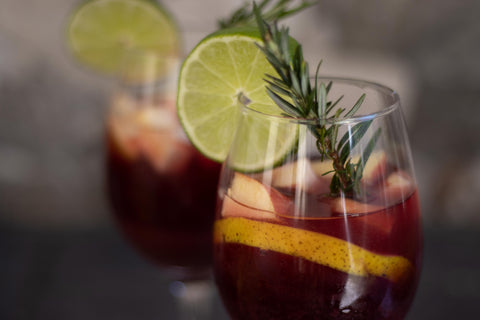
Pear and Rosemary Sangria

Instead of serving a bottle of wine, why not go for a refreshing jug of sangria – light, floral and not to forget, packs a punch!

You will need (this recipe yields 6 servings):

  • 2 oranges
  • 60g sugar
  • A 750ml bottle of dry white wine (Pinot Grigio or Sauvignon Blanc is perfect)
  • 120ml of St Germain elderflower liqueur
  • 1 pear
  • 240ml club soda or seltzer
  • 1 Rosemary sprig 

Directions:

First, use a peeler to remove the zest from one of the oranges, then cut in half before squeezing the juice into a large pitcher. Slice the second orange thinly and add it into the pitcher as well. For the rosemary syrup, bring the sugar, rosemary sprig, orange zest and 60ml of water to a simmer before straining it to discard solids. Add the syrup, elderflower liqueur and wine into the pitcher along with thinly sliced pear, then stir evenly to combine. Top the jug off with club soda and garnish before serving in individual glasses.

Sidecar

Big Batch Cocktails to Serve a Crowd

This batch version of a classic cocktail might go down easy but be warned; it packs a serious punch once the taste of citrusy lemons wears off. The best part of this recipe is that you can make batches in advance since it requires an overnight chill in the refrigerator. Once your party shows up, all you have to do is serve your drink in pretty glasses and let the fun begin!                                

You will need (this recipe yields 10 servings):

Directions:

Simply mix all ingredients in a large bowl or pitcher, then cover and refrigerate for at least two hours or overnight.

Grapefruit Beer Punch

Bored of drinking beers out of cans? Change it up and mix your beers with a little gin and grapefruit juice – you might just find yourself a new favourite boozy drink. 

You will need (this recipe yields 10 servings):

  • 950ml gin
  • 500ml fresh grapefruit juice
  • 2l pale ale                             

Directions:

Pour the gin and grapefruit juice into a punch bowl or pitcher and chill for at least two hours or overnight. Add the beer to individual ice-filled glasses just before serving.

Stock Up on Liquors for Your Cocktails at JARBARLAR

Ready to play bartender at your next dinner soiree? Don’t forget to get the liquors and alcohol you need online at JARBARLAR. Other than paying wholesale prices, you will also be able to get all alcohol delivered to you within Singapore for free with a minimum spend of $50. 

Check out our extensive catalogue online now.

The Difference Between Red and White Wines

Red wines and white wines are wine varieties that come in a wide range of colours. Wine lovers in Singapore often debate which is better but it is important to remember that each wine type has its own flavour profile and it is best to try both yourself before deciding which one you like more.

While red and white wines are largely different, they were originally made from one species of  grape called Vitis Vinifera. Vitis Vinifera grapes might come in a range of red and white these days, but Ampelographers believe that they might have been black grapes originally, with natural mutation creating the first white grapes.

Read on to find out more about the differences between red and white wines now.

Different Production Processes

Other than colour differences, red and white wines also differ in production processes. The key differences lie in the fermentation process, in which red wines are fermented with grape skins and seeds while white wines are not. This is also the process that gives red wines their signature colour – from the skins and the seeds of the grapes.

However, there are also special cases where white wines are fermented without having the grape skins and seeds removed. Wines made with this method are commonly referred to as Orange Wines and they share a taste resemblance with red wines and have tannin. Similarly, Blanc de Noirs, a red wine which is made with the white wine method has an appearance that looks like white wine. Other red wines that look like white wines include the White Pinot Noir or Pinot D’alsace.

Their Taste Differs

Both red wines and white wines have their own unique taste, but both types of wines each have their own spectrum of differing tastes. For example, some white wines are very sweet, and others dry while red wines tend to be on the bitter side, with a puckering taste. White wines also have a lighter, fruitier flavour than red wines, which tend to be bolder with more complexities.

The main reason why red wines are more bitter is due to the tannins present within the wine, which is enabled by the fermentation process that keeps the grape skins and seeds on. Without the grape skins, there will be little to no tannins in the wine, causing it to be sweeter and lighter like white wines.

Enjoying Red and White Wine

With its differences in taste and flavour, it is only natural that red and white wines have different ways of consumption in order to reap the most out of each bottle.

Since red wines contain tannins, it is recommended to allow red wines to “breathe” by decanting them before serving. Decanting would aerate the wine and increase its natural aromas and soften the taste of tannins that can cause harshness for younger wines. While white wines can benefit from five to ten minutes of “breathing”, one should serve immediately after as decanting white wine for too long can cause it to lose its vibrancy and freshness.

When it comes to storage, the common belief that red wine must be served at room temperature while white wine should always be served chilled is not entirely true as some whites can develop aromas when warmed slightly.

Get Your Red and White Wines at JARBARLAR Now

Looking to get a nice bottle of wine or two to pair with a steak and pasta dinner over the weekend? Simply place your orders online on JARBARLAR and we will have your wines delivered to your doorstep. Spend above $50 to be eligible for free delivery within Singapore.

Browse our full range of wines online now!

Investing in Whisky – Is it Worth it?

Diversification is a term commonly thrown around by financial experts – in the past it referred to expanding your financial portfolio with different forms of commodities and equities. Stocks, bonds, ETFs, the list goes on. 

Yet the newer generation of investors, that grew up during the 2008 Lehman Brother Housing Crisis, have found new ways of investing. As distrust of corporations grew, tangible commodities such as art, limited collaboration shoes, and even watches, started to become massive stores of potential value.

Whatever the item, it’s undeniable that collectability is the defining factor for investing in these objects. Much like wine in the past, whisky has also joined the ranks of sought-after collectible status. As recent as August 2020, a bottle of 55-year old Yamazaki set the new auction record for the most expensive Japanese whisky sold in history. Liquid gold, indeed.

Possible High Returns

If you’re like us, and you don’t have the better half of a million dollars lying around in pocket change, there are other ways to begin a journey towards investing in whisky. Begin by investing in distilleries that allow you to own and house a cask of whisky on-site for as long as you want to age it. Over time as the spirit proofs, your cask is assessed and revalued based on its  regauged litres per alcohol (RGA), age, and distillery reputation. On average, annual profits from whisky cask investments have ranged between 10% to 30%, depending on the investment distillery of choice. 

Before you get out your cheque books, there are caveats one must consider before investing in a distillery. First off, casks of whisky are inherently more valuable the older they are. Prospective investors must be prepared for a 12 to 18 year investment. Along the same lines, as whisky ages in a barrel it also evaporates. Known as the angel’s share, this process is inevitable and results in the average Alcohol by Volume (ABV) in a cask to decline. Investors must be sure to avoid letting their cask ABV fall below 40%, which is one of the legal requirements for a spirit to be termed whisky-worthy. Finally, a good rule of thumb would be to begin investing in younger casks from reputable distilleries with a higher ABV, to give yourself some breathing room as your cask ages.

Investing in Rare Whisky is Pandemic-Proof

Even in a pandemic-laden economy, it appears that buying rare whisky as a form of investment seems fool-proof. Despite tighter pockets, spending on rare whisky has not dwindled a single bit. In fact, statistics say otherwise.  By the numbers, The Wealth Report found that the value of rare whisky has compounded faster than cars, art, and wine, hitting an astounding 564% growth over the past decade. 

The advent of online marketplaces and virtual auction houses have contributed significantly to this surge of demand for rare whisky. Experts, available around the clock, work tirelessly to pair available offerings with that of the respective investors’ risk palette. Further pushing up prices is the fact that not all whisky collectors purchase bottles for financial gain. Bottles of rare whisky are consumed more often than imagined, which leads to a dwindling pool of supply and limited availability. 

The Demand for Rare Whisky Continues to Surge

Outside of advancements in technology growing the interest in whisky, increasing global wealth and demand in the Far East has led to prices of rare whisky skyrocketing to unseen heights. Commonly seen as a premium product from the West, rare whisky has long been associated with sophistication and class. 

Enjoyed by the children of the nouveau riche in China, who spare no expense for entertainment, whisky has become a cornerstone of their lavish and grand lifestyles. 

These High Net Worth Individuals (HNWI) under the age of 30 consistently fuel the ever growing market for rare whisky in China, where it stands as the third most popular alcoholic beverage across the nation. This swell in the rare whisky market does not appear to be going away anytime soon either. Aside from being a functional store of value, rare whisky possesses a certain grandeur and makes a social statement. It’s no wonder why collectors pour out cash for liters of this amber gold.

3 Tips for Attending a Wine Tasting Event

Singapore’s announcement of the Vaccinated Travel Lane in conjunction with European countries has excited many. For the first time in almost two years, the hope of a holiday overseas isn’t just a pipedream anymore. Getaways to exotic destinations like France and Italy are now an actual possibility, and we can’t think of a better way to kick off a holiday than with a wine-tasting.

1. How to Dress for a Wine Tasting

Anyone that has ever gotten a spill of wine on their clothes knows how painstakingly difficult it is to wash out. Our first tip is to dress in dark colours in case of spills, which will inevitably happen considering you’re in for a night of inadvertent inebriation. Decide on the tone of your outfit by sussing out the venue(s) in advance, to make sure that you’re neither overdressed nor underdressed. A jacket makes all the difference indoors versus outdoors.

If you’re on a wine tasting tour, consider comfortable shoes because chances are it’ll involve a lot of walking amongst vineyards and distilleries. For wine tasting acolytes who take themselves seriously, consider carrying a small bag or purse to keep a notebook for taking notes on tastings. This also doubles up by allowing you to have a place to store phone and water while touring the beautiful sights.

2. Eat Beforehand

Drinking alcohol on an empty stomach is not only bad for your digestive health, but it’ll most likely knock you out early. Of course, if we were having just the odd glass or two, that would probably be acceptable. However, most tastings run anywhere from eight to ten different glasses of wine, which implies that drinking without any food will cause you to get prematurely drunk and put an end to your night.

Most wine tastings offer food in between drinks to avoid this very unceremonious welcome, which you should not feel shy to take full advantage of. In fact, many wine tasting tours design food menus to be paired with specific wines on offer to enhance its flavour and the overall wine tasting experience. Apart from food, it is also key to stay hydrated even if you aren’t travelling from point to point tasting wines. Alcohol is a diuretic and dehydrates the body, so if you want to avoid a wicked hangover the next day it’s best to keep your non-alcoholic fluids topped up.

3. Technique

You might have seen videos of fancy sommeliers swirling the wine around the glass and sniffing it to determine if it’s any good. I promise you that isn’t just to appear snobby. There is indeed a technique to tasting wine and these key points should help you avoid looking like an amateur.

First off, the best way to hold a glass of wine is by the stem and not the bowl. Holding it via the bowl leaves greasy fingerprints and potentially affects the temperature of the wine, hurting the entire drinking experience. Next, before tasting the wine, it is important to take a deep breath of the aroma within the glass. Experts refer to this as the nose, and how a wine smells greatly affects your palette as the wine enters your mouth. It is also at this step that the wine glass should be swirled, to allow the wine’s aromas to attach to the oxygen and give it a stronger nose. Lastly, as you sip the wine, swirl it in your mouth and ensure it touches all surfaces. Different parts of your mouth have different endings which pick up a wide spectrum of flavours and textures. Follow these steps to a tee and you should appear to know what you’re doing with minimal effort.

On a parting note, it is also crucial that wines are consumed in a specific order. White wines and wines with higher acidity should be tasted first before moving on to the heavier bodied reds. The logic behind this is simple – heavy-bodied reds often leave a strong aftertaste and cloud the palette from fully appreciating the more subtle white wines.

Still worried about appearing silly at your next wine tasting? Choose from our wide selection of wines from across the world today. Paired with tasting notes to let you know exactly what to expect, Jarbarlar’s online liquor store is the perfect place to begin your wine tasting journey.

Cooking with Alcohol – Easy Alcoholic Meal Recipes

Alcohol and food go hand in hand – nothing pairs better with a steak than a nice full-bodied Cabernet. The idea of alcohol as an ingredient in meals, however, is a little riskier. One chief concern we all have lurking at the back of our minds while cooking with alcohol is accidentally starting a fire and panicking for a fire extinguisher to put out the stove. 

Fret not, if Gigi Hadid has shown us anything on TikTok, it’s that cooking with alcohol can be relatively simple and risk-free. Let’s take a look at some fool-proof (and flame-proof) meal recipes.

1. Beer Battered Fish and Chips

fish-and-chips-cooking-with-alcohol

A pairing that many would consider the national dish of Great Britain, beer-battered fish and chips can be found on almost any corner of London. Whether it’s for lunch, dinner, or a cheeky supper after a night at the pub, fish and chips are comfort food like no other. Yet what makes this iteration so good? According to experts, the addition of beer into the batter makes it light and airy which gives the fish a nice crunchy texture. Quick to prep and even quicker to cook, this recipe for beer-battered fish and chips promises to go swimmingly.

You will need:

700g x white fish fillet
50g x rice flour
115g x plain/all-purpose flour
1.¼  teaspoon x baking powder
¼  teaspoon x salt
250ml x lager/wheat beer (anything beer that isn’t dark like stout or porter)
4-5 cups x peanut oil

Serves 4 portions

Directions:

Begin by patting the fish dry with paper towels and slicing them into 7cm x 3cm pieces. Heat the oil in a large pot to 190 degrees celsius before seasoning the fish with salt. Mix the all-purpose flour, baking powder, salt and beer into a slurry. Dust the fish in rice flour and dip into the batter, frying for 3 minutes per piece. Flip and ensure every piece is cooked evenly until deep golden. Drain on paper towels and serve with your condiments of choice (tartar sauce, chilli, or a vinaigrette) 


2. Tiramisu

cooking-with-alcohol-tiramisu

It is said that you can tell the quality of an Italian restaurant not just from their pasta, but how they make their tiramisu. Moving further south of the United Kingdom, this iconic Italian dessert needs no introduction. This twist on the classic tiramisu recipe adds the coffee-liqueur Kahlua to further enhance the bittersweet flavour within the espresso-soaked ladyfingers.

You will need:

6 x large egg yolks
200g x sugar
300g x mascarpone cheese
400g x heavy whipping cream
30 x Italian ladyfingers
250g x cold espresso or strong coffee
120g x Kahlua
30g x unsweetened cocoa powder

Serves 9 portions.

Directions:

Prepare a sabayon by first placing a bowl above a small pot of water brought to a boil and simmer. Add the egg yolks and sugar to the bowl, whipping with a whisk for 10 minutes till the mixture thickens in volume. Remove from heat and allow to cool briefly before mixing in mascarpone, a little at a time. In a separate bowl, use an electric mixer to whip cream to stiff peaks. Proceed by folding the whipped cream into the mascarpone, and refrigerate after. Mix the espresso and Kahlua in a bowl, and dip ladyfingers into the mixture long enough to get them wet. Avoid soaking the ladyfingers entirely! Arrange the ladyfingers in the bottom of a 22cm square baking dish and spoon the mascarpone cream filling over the ladyfingers. Repeat this process till the baking dish is full, after which you should refrigerate the tiramisu for at least 4 hours. Slice and dust with cocoa powder before serving, and voila! 


3. Gigi Hadid’s Vodka Cream Pasta

We can’t mention Gigi Hadid’s TikTok video without providing a recipe, and boy is it good. Red sauce vodka pasta has a delightful dryness to it, which brings out the acidity of the tomatoes. Follow this simple recipe if you don’t believe us!

You will need:

250g x pasta
¼ cup x olive oil
1 clove x garlic
¼ cup x shallots
¼ cup x tomato paste
1 tablespoon x vodka (clear, not flavoured)
½ cup x heavy cream
1 teaspoon x chilli flakes
Salt and pepper
¼ cup x parmesan cheese
1 tablespoon x butter

Serves 2 portions.

Directions:

Cook the pasta in a pot of boiling water, draining and saving ¼ cup of pasta water when noodles are al dente. In a large saucepan, heat the olive oil and cook a small clove of garlic and the shallots till soft. Add the tomato paste and simmer the sauce till darker and caramelised. Pour the vodka into the sauce and cook till it almost evaporates, finish the sauce by adding your heavy cream and chilli flakes to your preferred tastes. Taste and season with salt and pepper before tossing in the cooked pasta, pasta water, and butter. Stir well to melt the butter and garnish with parmesan cheese before plating.

Looking for the perfect wine for your meal, or simply just need that additional bottle of alcohol to complete your recipe? Shop online at Jarbarlar now, and browse our wide catalogue of liquors, wines, beers, and spirits for every occasion. Spend $50 and get your booze delivered to your doorstep for free within Singapore.

Signature Drinks From Around the World

As far back as civilisation has existed, mankind has always enjoyed alcohol. From the early Egyptians to ancient China and India, historical evidence has pointed towards the existence of fermented drinks often brewed from the available ingredients of that era. Fast forward to the 21st century, alcohol is still available in wide supply and enjoyed around the world copiously. Every country seemingly manufactures a signature beverage, which they often make a big show of championing. Steeped in tradition and refined through centuries of research, these beverages deserve every little bit of praise lavished onto them. 

If you’re still wondering what we’re referring to, read on to find out more!

Japan – Sake


Let’s get something clear – despite its clear nature and tendency to be served in tiny cups, sake is not a spirit. Rather, sake is defined as a brewed alcohol, a byproduct of fermentation. Like wine or beer, which are the results of fermenting grapes and malted barley respectively, sake is derived from the fermentation of polished short-grain rice.

The process of brewing sake begins with Koji, a fungus that possesses enzymes that helps break down the rice starch into sugar. Yeast is then added to the koji-rice mixture, which ferments the sugar and produces alcohol as a byproduct. Brewers then proceed by squeezing the mass of fermented koji-rice, collecting the liquid and further clarifying it before storing it in tanks. At this point, the liquid is allowed to mellow and age a bit before being diluted with water and bottled as sake.

A key reason why sake is a popular alcoholic drink amongst native Japanese or consumers around the world is because of its mellow and subtle flavour notes. Brewers differ in the type of koji spores and yeast used, resulting in an appealing variety of tastes. 


Germany – Lager


Stemming from the German word for storage, the term “lager” alludes to how the drink is traditionally stored and fermented at low temperatures. In practice, beer and lager are often interchangeable terms with very little difference. To be even more pedantic, German lager is normally fermented bottom-up, and this sets it apart from other beer variants such as ale.

German appreciation for the drink is deeply rooted in its rich past to their culture, as well as its accessibility. Beer and lager were historically used as a substitute for clean drinking water, with German laws enacted as early as 1516 to ensure the purity and quality of German brewed beers. This national appreciation of beer is none more evident than in the annual Oktoberfest where citizens gather to celebrate and feast while consuming lavish amounts of the golden liquid.

France – Bordeaux Wine

A name was given to all wines originating from the titular French province, Bordeaux wines may present themselves in both red and white varieties. The former, usually made out of Merlot, Cabernet Sauvignon, and Cabernet Franc, possess medium to full bodies that are usually aged to balance out the strong tannin flavours. Meanwhile, white Bordeaux wines are dry and sweet, consisting of Sauvignon Blanc, Sauternes and Semillon.

The process of brewing Bordeaux isn’t unlike other wines – grapes are harvested and crushed before fermentation in stainless steel vats. These fermented crushed grapes, known as must, are then pressed and transferred into large wine barrels where they are left to age. What distinguishes Bordeaux from the rest is that bottled Bordeaux wines are a mix of different grape varieties and are scarcely made up of a single one. This is also what leads to the unique and complex flavour profile that many enthusiasts go crazy for. 

Best served just under 18 degrees celsius, red Bordeauxs should be decanted when possible in order to allow the wine to breathe and let the tannins set. This removes the unwanted metallic and overly acidic nature of the wine, fully opening up its true nature.

Get a Taste of the World’s Signature Drinks at JARBARLAR Today

Get a taste of these exotic signature drinks from around the world at JARBARLAR today. With free alcohol delivery and next-day delivery options, you don’t have to wait for a plane ticket to experience a wide range of authentic drinks. Shop online now!

What Your Go-To Alcohol Says About You

Everyone has a type – regardless of what they say otherwise. We all have our creature comforts that we enjoy, a go-to that makes us feel happy and safe. Consider how you like your eggs, and your favourite cup of coffee. These subtle inclinations speak volumes about us, and your favourite libation and how you consume it likewise says the same.

Something about our alcohol preference just alludes to a deeper connection to our character, our personalities and our behaviour. Whether you’re a fan of whiskey, wine, or gin – your personality is sure to shine through the type of alcohol you can be found sipping regularly.

Whiskey

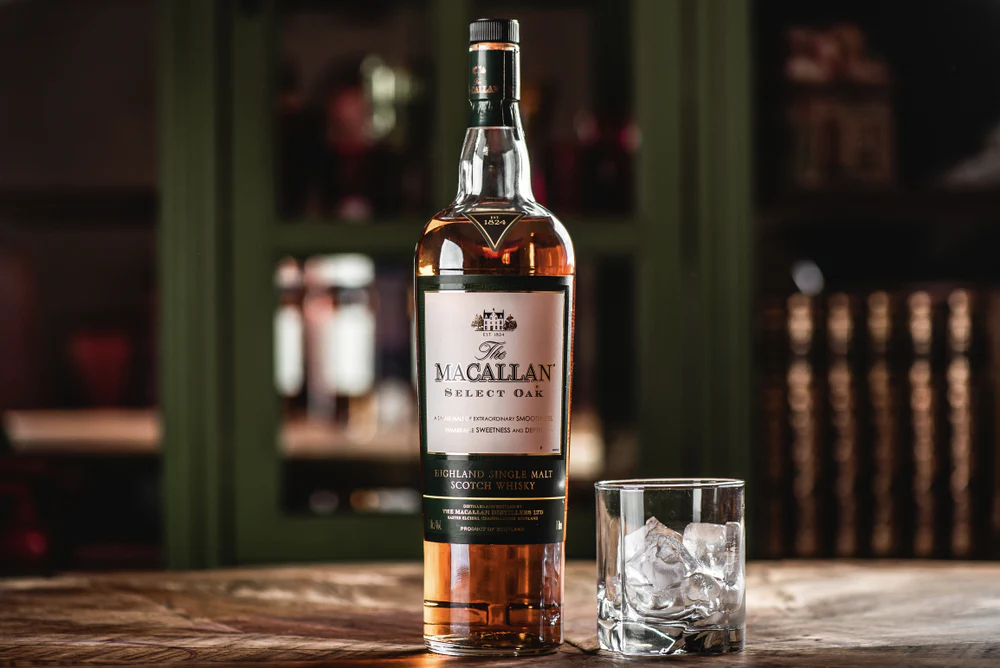
A glass of whiskey

Let’s get something clear – there is a monumental difference between “whisky” and “whiskey”. The inclusion of one more letter might seem pedantic but it separates the two spirits into regional distinctions. For starters, whiskey is an umbrella term for these spirits distilled in Ireland and the United States. Conversely, if you drop the “e” then whisky in general refers to any spirit distilled in Scotland, Canada and even Japan.

Much like this subtle distinction that is taken very seriously, whiskey drinkers are often found brooding in a corner and contemplating life. Direct and to the point, they love nothing more than being straight up (much like how they like their drinks).  Never one to hold their tongue if need be, whiskey drinkers would rather tell you how they feel and get down to meat and potatoes, rather than sidestepping and paraphrasing. Often excelling in one-on-one conversations, chances are you’d enjoy a fulfilling and thought-provoking night of heart to hearts over a bottle of Jameson Irish Whiskey with these folks. Just be sure that you can hold your own, and know when to call it quits – the night rarely ends without the bottle finishing.

Wine

A glass of wine

Divided square along the middle, regular wine drinkers can be viewed in two camps – lovers of red wine, and lovers of white wine. The former, usually seen as high society snobs, appreciate the finer things in life. They might present as being tired of such a label, but secretly they probably love it. They also love nothing more than using a glass of Cotes-du-Rhone as a vessel to discuss their vast worldly experience, humbly bragging to the group about the time they were touring the vineyards of Bordeaux and sampling the wines of France.

Meanwhile, the latter epitomises the textbook definition of a social butterfly. Armed with a glass of Chardonnay and a regalling tale of their latest predicament, they love entertaining and buzzing from person to person. Never one to bog down conversation in a single topic, these free-spirited individuals love being the life of the party, in an elegant refined way of course.

Vodka

A glass of vodka

The group of vodka drinkers are as diverse as the alcohol itself. True to form, lovers of this clear spirit vary as much as the way they like their vodka. On one side of the coin, we have the vodka cranberry “Woo” girls who are just out to get smashed while partying with a bottle of Belvedere or Grey Goose. On the other, there are those who enjoy vodka in specially curated cocktails, such as an Espresso Martini. In truth, it is more of how vodka drinkers like their beverage prepared that says more about them, than their preference of the spirit itself.

 Gin

A glass of gin

The final group, and one that is near and dear to our hearts. Gin drinkers are solemn and mysterious. Unlike their whiskey brethren who prefer to externalise their thoughts, those brooding over a gin and tonic spend majority of their time introspecting and thinking.

Given the recent influx of appreciation for classic gin brands such as Hendricks, we might see this stereotypical arche-type shift away as a younger generation of gin drinkers emerge. However, for the foreseeable future, it seems as though the large majority with gin and tonic in hand might still remain in their own bubbles of inner monologues and soliloquy.

Regardless of your drink of choice, you can count on JARBARLAR for all your alcohol needs delivered right to your doorstep in Singapore. Shop online at JARBARLAR, your go-to online liquor store now, and check out our wide range of whiskey, vodka, and gin.