




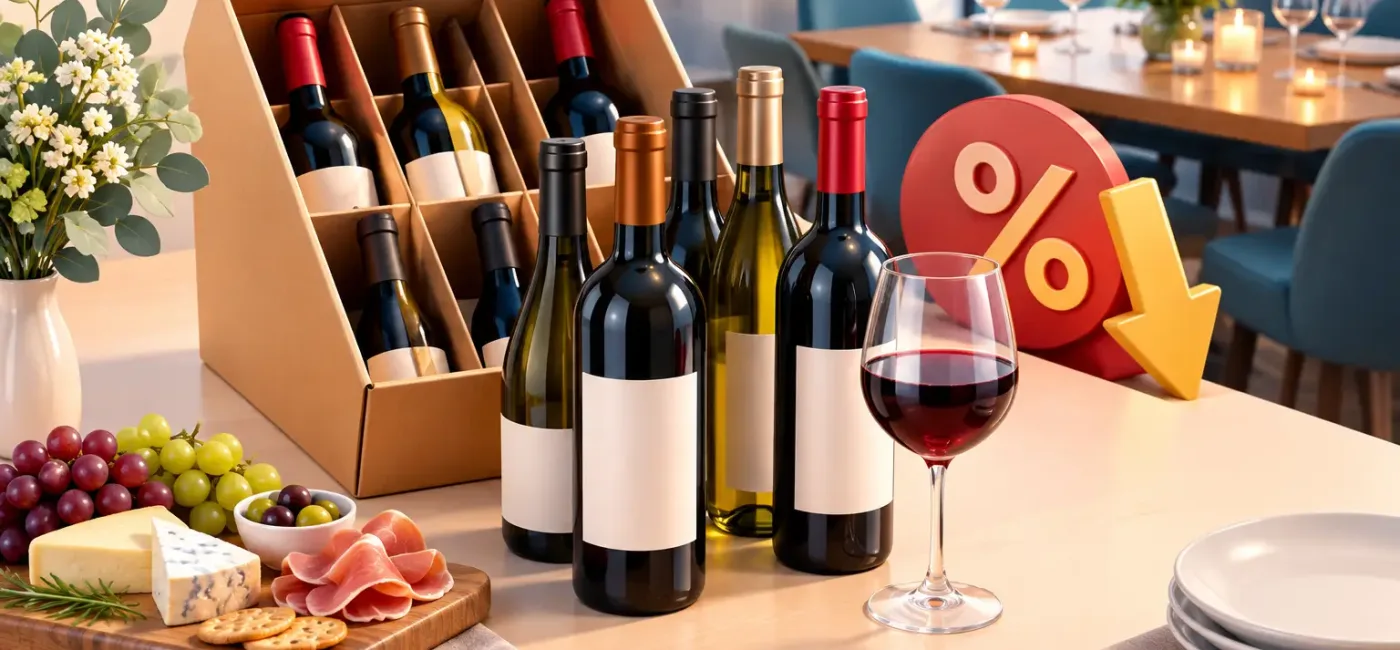
A dinner for 10 can turn into a birthday for 30 faster than expected. Once the guest list grows, buying wine bottle by bottle is rarely the most practical move. Wine quantity discounts give hosts, office organizers, and event planners a clear way to control the drinks budget while keeping enough choice on the table.
The value is not only in a lower price per bottle. Multi-bottle pricing makes it easier to plan ahead, order one complete drinks list, and avoid a last-minute run for extra wine. For Singapore gatherings where time, delivery windows, and venue access all matter, that convenience counts.
How Wine Quantity Discounts Work
Quantity discounts usually apply when you purchase a set number of eligible bottles. A retailer may offer a better per-bottle price at six bottles, 12 bottles, or a larger case quantity. Some offers apply to the same wine, while others let you combine selected wines within a promotion. The exact tiers, labels, and stock availability can vary, so check the product pricing before you build your order.
The key is to compare the per-bottle cost, not just the total at checkout. A bottle that looks slightly more expensive on its own can become the better buy once it qualifies for a stronger quantity tier. This is especially useful when you need enough wine for a wedding, corporate dinner, housewarming, festive gathering, or regular home entertaining.
There is a trade-off. The biggest discount is not automatically the best purchase if it leaves you with wine that does not suit your guests or occasion. Buy to a realistic plan, then use the tiered price as the saving – not as a reason to over-order.
Start With the Occasion, Not the Discount
A useful wine order begins with the type of event. A casual afternoon gathering needs a different mix from a formal dinner, and a Champagne toast has different requirements from an open-bar celebration.
For a meal-focused event, plan around the food. Whites, rosés, and lighter reds cover most menus without making the selection overly complicated. For a party where guests will be moving around, crisp white wine and easy-drinking reds tend to be the dependable center of the order. If the event includes a toast, add sparkling wine separately rather than expecting still wine to do every job.
Guest preferences matter too. A group of regular red wine drinkers may make a 12-bottle red wine tier an easy decision. A mixed office crowd may be better served by an even split between red, white, sparkling, beer, and a few non-alcoholic options. Quantity pricing works best when the order reflects actual demand.
A practical bottle-count estimate
One standard 750 ml wine bottle provides about five glasses. For a seated meal where wine is the main drink, a sensible starting point is one bottle for every two guests. For a shorter gathering with beer, spirits, and other drinks available, one bottle for every three or four wine-drinking guests may be enough.
Those estimates need adjustment. Add more for long events, warm-weather occasions, guests who strongly prefer wine, or menus that call for several courses. Reduce the count when wine is one part of a wider drinks menu. It is usually better to add a modest buffer than to run dry halfway through a celebration, but that buffer does not need to be excessive.
Build a Mix That Guests Will Actually Drink
Buying in quantity does not mean everyone has to drink the same label. The most effective approach is often to choose a small, clear range and buy enough of each. This keeps ordering simple while giving guests a real choice.
For many gatherings, a balanced order might include a fresh white, a familiar red, and a sparkling bottle for arrival drinks or a toast. Rosé is a strong addition for daytime events, outdoor settings, and lighter food. If you are serving rich meats or a formal dinner, add a fuller-bodied red rather than stocking only one easy-drinking style.
For larger functions, avoid making the whole order dependent on an unfamiliar or highly specific wine. A collectible bottle can be a memorable gift or a host’s table centerpiece, but it is not usually the best foundation for volume service. Save prestige labels for the moments where their character and presentation will be noticed, then use dependable, crowd-friendly wines for the main pour.
This approach also protects your budget. Quantity savings are more meaningful when applied to bottles guests will open and enjoy, not labels that remain untouched because they are too unusual, too heavy, or simply not suited to the menu.
Compare the Real Cost Before You Commit
A smart quantity purchase takes a few minutes of checking. First, look at the discount threshold. If the savings begin at six bottles and your plan calls for five, moving to six may make sense. If the next tier begins at 12 bottles but you only need eight, the additional saving may not justify four extra bottles.
Next, consider bottle size. A standard 750 ml bottle is the easiest format for planning, but larger bottles can be useful for a dinner table or celebratory presentation. They do not always offer the lowest cost per serving, so compare carefully instead of assuming bigger is better.
Also consider delivery timing and storage. Wine should be kept in a cool, dark place away from direct sunlight and major temperature changes. If you do not have suitable space at home, ordering an event’s worth of wine too far ahead can create an unnecessary problem. A reliable delivery plan is part of the value calculation.
At Jarbarlar, quantity-based pricing and a broad drinks selection can make it easier to combine everyday bottles with a few celebration-ready upgrades in one order. That means less time managing separate purchases and more control over what arrives for the event.
When Quantity Pricing Makes the Most Sense
Wine quantity discounts are particularly useful for occasions with a predictable guest count and a clear service plan. Weddings, engagement parties, company functions, festive meals, milestone birthdays, and house parties all benefit from ordering in one organized batch.
They can also work well for smaller households that entertain regularly. If you know you will serve the same versatile white or red over several dinners, buying at a quantity tier can be more economical than repeated single-bottle purchases. The condition is simple: choose wines you already know you enjoy and can store properly.
For gifting, the decision is more selective. Multiple bottles of one recognized label can make sense for client gifts, team celebrations, or family occasions. However, a mixed set may be more appropriate when recipients have different tastes. Discounted quantity should support the gifting plan, not dictate it.
Common Mistakes That Reduce the Value
The first mistake is chasing the highest tier without a consumption plan. Savings disappear when bottles sit for too long in poor storage conditions or when you buy a style nobody wants.
The second is forgetting the rest of the drinks menu. If guests expect beer, spirits, soft drinks, or non-alcoholic alternatives, ordering wine for every guest at full dinner-party levels can lead to unnecessary leftovers. Wine does not need to carry the whole event.
The third is leaving the order until the last minute. Popular labels and promotional quantities can change with stock, particularly around major holidays and busy celebration periods. Planning early gives you more choice and makes it easier to adjust the mix if a preferred bottle is unavailable.
Finally, do not overlook serving conditions. A good bottle loses impact if white wine is warm, red wine is overheated, or there are not enough glasses and openers available. Build a simple service plan alongside your purchase.
Make the Discount Work for Your Guest List
The best quantity order is not the largest one. It is the order that matches your guest count, menu, venue, and budget with as little waste as possible. Choose a few versatile wines, check the quantity tiers, allow a sensible buffer, and make sure delivery fits your schedule.
When the bottles arrive, you should feel prepared rather than overstocked. That is the real advantage of buying wine in quantity: better value, less running around, and a drinks table ready for the people you invited.