





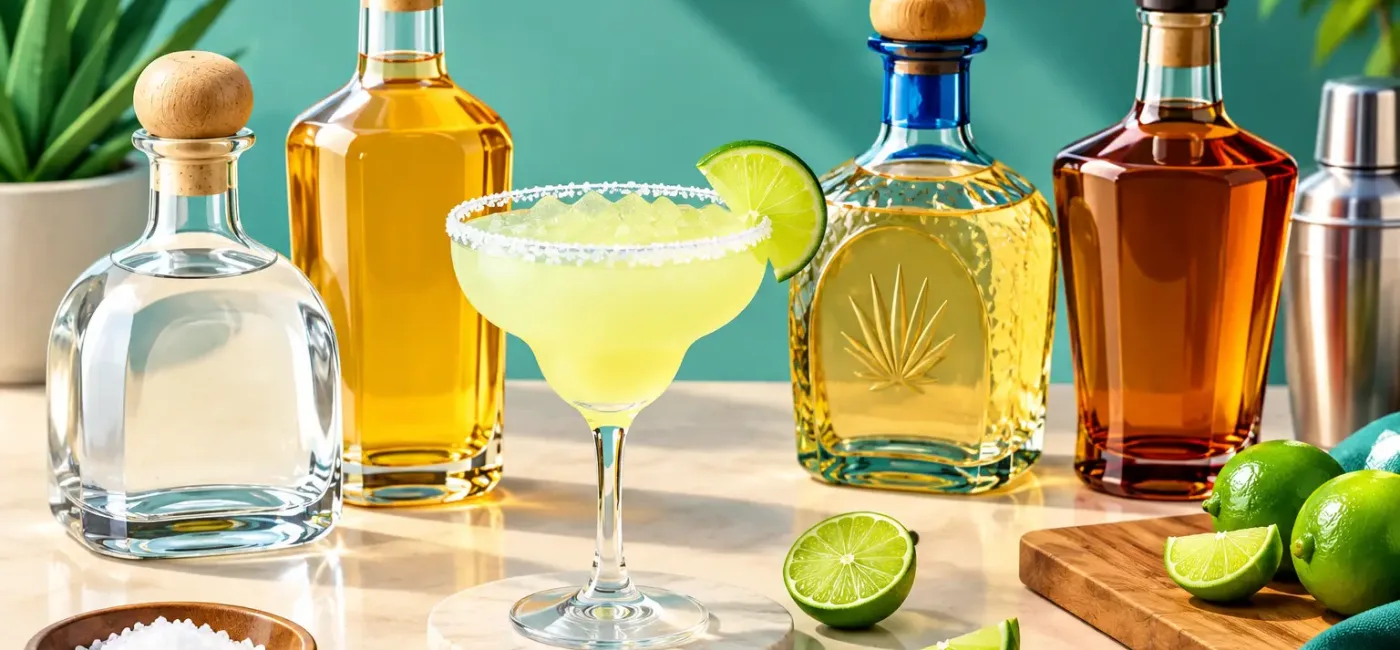
A margarita can be as simple as tequila, fresh lime, and orange liqueur, so the bottle does most of the talking. If you are asking which tequila for margaritas, start with a 100% blue agave blanco. It is the cleanest, brightest choice for the classic version, works across price points, and makes it easy to serve a crowd without overthinking the bar setup.
The best bottle is not always the most expensive one. For a weeknight round, a casual house party, or a large batch, look for honest agave character and a price that makes a second bottle an easy decision. Save the prestige pours for sipping, unless the occasion calls for a seriously upgraded margarita.
Which Tequila for Margaritas? Start With Blanco
Blanco tequila, also called silver or plata, is typically bottled shortly after distillation or rested for a short time in steel. It keeps the flavor close to the agave: fresh, peppery, herbal, lightly sweet, and sometimes citrusy. Those notes meet fresh lime exactly where a margarita needs them to.
A classic margarita has plenty of sharpness from lime and sweetness from orange liqueur or agave syrup. A blanco cuts through that balance rather than adding oak, caramel, or vanilla. The drink stays crisp, especially when served on the rocks with a salted rim.
For most shoppers, choose a blanco labeled 100% agave. This indicates the tequila is made entirely from blue Weber agave rather than blended with added sugars before distillation. It generally delivers a cleaner agave flavor and a more reliable result in cocktails. Mixto tequila can be cheaper, but it may taste harsher or overly sweet once lime is involved.
Well-known blanco styles range from lively and pepper-forward to soft and citrus-led. Don Julio Blanco is a polished pick for classic margaritas and smaller gatherings. Espolon Blanco is often a strong value option when you want recognizable tequila flavor for several drinks. Patrón Silver suits hosts looking for a smooth, familiar premium bottle. The right choice comes down to the style you enjoy and how many glasses you are pouring.
When Reposado Makes a Better Margarita
Reposado tequila is aged in oak for a minimum of two months, which brings in rounder flavors such as vanilla, baking spice, cooked agave, and gentle caramel. It is not the default answer for a classic margarita, but it can be the better choice when the recipe has richer flavors.
Use reposado for a margarita with grilled pineapple, mango, passion fruit, blood orange, or a touch of smoky chile. The barrel influence gives these cocktails more depth and makes them feel less sharp. A reposado also works particularly well in a Cadillac-style margarita made with a higher-end orange liqueur.
There is a trade-off. Too much oak can push the drink away from the bright, snappy profile people expect. If your guests want a classic salty-lime margarita, blanco remains the safer bottle. If you are building a menu around fruit, spice, or a more luxurious cocktail, reposado is worth the step up.
Should You Use Anejo Tequila?
Anejo tequila spends at least one year in oak, so it is often richer, darker, and more spirit-forward. Think toasted oak, dried fruit, vanilla, and caramel rather than fresh-cut agave. It can make an excellent sipping tequila, but it is usually not the best value for a standard margarita.
Anejo can work in a stirred, spirit-led margarita variation served over one large cube, with less lime and a premium orange liqueur. That is a different drink from the frozen or rocks margarita most guests expect. If you are buying one bottle for a party, choose blanco or reposado first and keep the anejo for after dinner.
The same advice applies to extra anejo and many luxury releases. These bottles deserve to be tasted on their own, where the aging and finish are not covered by citrus. A premium margarita does not require the most expensive tequila on the shelf. It requires good ingredients in the right proportions.
Match the Bottle to Your Margarita Style
For a classic margarita on the rocks, use a crisp blanco with visible agave and pepper notes. Fresh lime, orange liqueur, and a little agave syrup are all it needs. A light blanco keeps the drink refreshing rather than heavy.
For frozen margaritas, do not overspend. Ice dilution and fruit purees soften subtle differences between premium bottles. A dependable 100% agave blanco gives you the right base without turning each blended drink into a luxury pour. This is also the practical route for poolside gatherings, birthday parties, and larger orders.
For spicy margaritas, choose either a bright blanco or a lightly aged reposado. A peppery blanco reinforces the jalapeno or serrano heat, while reposado rounds out the spice. Start with blanco if you want the chile and lime to lead. Choose reposado when you want a warmer finish.
For fruit margaritas, the fruit decides the direction. Watermelon, cucumber, grapefruit, and citrus pair naturally with blanco. Pineapple, peach, mango, and roasted berries can take reposado well. Avoid using an intensely oaked tequila in delicate fruit recipes, since it can taste disconnected from the rest of the glass.
How Much Should You Spend?
A good margarita tequila should be affordable enough to pour generously, not so cheap that you are masking unpleasant flavors with sugar. In practical terms, a solid mid-range 100% agave blanco is the sweet spot for most home bars. It offers a recognizable tequila profile, works in every classic recipe, and remains sensible when friends ask for another round.
For a dinner party or gift-worthy occasion, move up to a premium blanco or reposado. The upgrade is most noticeable in simple margaritas with fresh juice and minimal sweetener. When the ingredient list is short, the tequila has more room to show its quality.
For large events, consistency matters as much as the bottle. Buying the same tequila for the whole batch keeps the flavor steady from the first pour to the last. Check bottle size before ordering: a 750 ml bottle makes roughly 16 standard 1.5-ounce tequila pours, while a 1-liter bottle makes about 22. If margaritas are the main drink, plan for two per guest during the first few hours, then adjust for beer, wine, and other spirits on the table.
A Fast Buying Checklist
Before adding tequila to the cart, check four details: that it says 100% agave, whether it is blanco or reposado, bottle size, and your guest count. Then consider the recipe. A classic lime margarita calls for blanco. A fruit-forward or elevated menu may justify reposado. Anejo is a specialist choice, not the all-purpose answer.
Do not forget the supporting bottles. Good orange liqueur, fresh limes, kosher salt, and plenty of ice make a bigger difference than moving from a very good tequila to an ultra-premium one. For a no-fuss house recipe, use two parts blanco tequila, one part fresh lime juice, and one part orange liqueur. Add a small amount of agave syrup only if your limes are especially tart.
The smartest margarita purchase is the tequila that fits the drink, the guest list, and the budget. Keep a versatile blanco on hand for spontaneous plans, choose reposado when you want a richer twist, and let the expensive aged bottles shine in a glass of their own.