





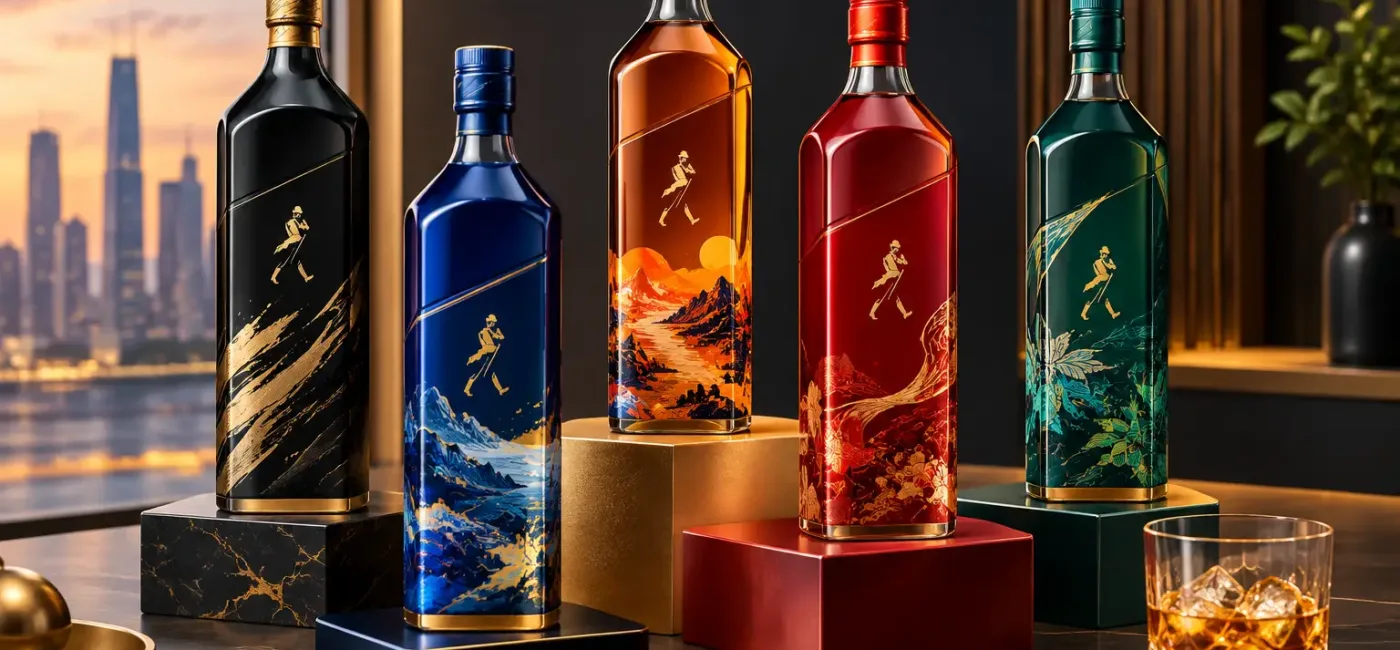
A limited edition Johnnie Walker bottle earns attention before the cork is even considered. The familiar Striding Man gives the release instant recognition, while the bottle design, age statement, collaboration, or small-batch story gives it a reason to sit apart from standard Blue Label, Black Label, or Gold Label Reserve. For buyers, that creates a simple but worthwhile question: are you choosing a bottle to open, to gift, or to keep?
The best answer depends on the occasion. A dramatic Lunar New Year decanter can make a dinner-table statement. A numbered or age-statement release may suit a serious whisky fan. A special Blue Label design is often the easy choice for corporate gifting because the brand is known, premium, and presentation-ready. Limited editions can do all three jobs, but not every bottle carries the same value once the box is opened.
What Makes Limited Edition Johnnie Walker Different?
Johnnie Walker has built its reputation on blended Scotch whisky, not on a single distillery identity. Its special releases usually build on that strength: experienced blenders select whiskies from across Scotland, then shape a blend around a distinct theme, flavor direction, age statement, or visual concept. The result remains recognizably Johnnie Walker, but with a release-specific reason to buy.
Some limited editions are defined by presentation. These may feature sculptural bottles, premium gift boxes, festive artwork, or designs created for a holiday or cultural celebration. Others focus on liquid credentials, such as older component whiskies, a stated age, a particular cask influence, or stocks from distilleries that are no longer operating. The second group generally attracts collectors more strongly, but presentation-led releases still perform well as gifts because they look substantial from the moment they are handed over.
“Limited edition” does not automatically mean rare, investment-grade, or better tasting than a core bottle. It means production, availability, or packaging has been restricted in some way. A widely released festive bottle may be limited compared with the regular range but still be available in meaningful quantities. That is not a drawback if the goal is to bring a premium bottle to a celebration. It simply means buyers should match expectations to the release.
How to Choose a Limited Edition Johnnie Walker
Start with the person and the purpose, not the label alone. A collector who follows Scotch releases may care about the age statement, the source of the whisky, whether the edition is discontinued, and the bottle’s condition. A client or host is more likely to notice the presentation, brand recognition, and whether the bottle feels suitably special for the occasion.
For gifting, a special-edition Blue Label is often a safe premium lane. It is recognizable, polished, and easy to present without needing a long explanation. If the recipient already drinks whisky regularly, look beyond the packaging and check whether the release offers a meaningful difference in age, cask character, or blend composition. The more specific the liquid story, the more memorable the gift can feel.
For opening at home, buy for taste rather than scarcity claims. Johnnie Walker’s richer limited releases often lean toward dried fruit, soft smoke, oak spice, toffee, dark chocolate, and a rounded texture, though each bottling differs. If you enjoy a bold, smoky profile, a release with a stronger Scotch identity may be more satisfying than a visually elaborate bottle designed mainly for gifting.
For collecting, condition matters almost as much as the whisky itself. Keep the original outer box, inspect seals before purchase, and avoid bottles with damaged labels, chipped caps, or faded presentation cases. Store unopened bottles upright, away from direct light and big temperature swings. Whisky does not keep aging in the bottle, but heat, sunlight, and poor storage can affect the seal and reduce collector appeal.
A practical buying check is to look at four details before adding a bottle to your cart:
- the exact edition name and release year, if stated
- the bottle size, since special releases are not always the same format
- whether an original gift box or case is included
- the current price against standard Johnnie Walker expressions
That last point matters. A limited-edition bottle can be a great buy without being the cheapest route into premium Scotch. You are paying for the complete offer: the liquid, the edition status, and often the display value. If the price premium is modest and the bottle suits the occasion, it can make more sense than a standard label. If the premium is high but the release has no stronger liquid credentials or collector interest, a core premium expression may deliver better drinking value.
Don’t Assume Every Special Bottle Is an Investment
Whisky collecting can be rewarding, but it should not be treated as a guaranteed return. Secondary-market demand changes, and some special releases become more sought after while others remain readily available. High initial pricing, large production runs, and condition issues can limit future upside. Opening a bottle you genuinely want to enjoy is often the most satisfying decision.
If resale potential matters, focus on provenance and completeness. Keep receipts where appropriate, retain all packaging, and do not damage seals. More importantly, buy a bottle that would still feel worthwhile if it never increased in value. That approach removes speculation from the decision and puts the enjoyment back into the purchase.
Serving a Limited Edition Johnnie Walker Well
An expensive bottle does not need an elaborate ritual. Pour a modest measure into a clean whisky glass and give it a few minutes to settle. Take the first sip neat, then decide whether a few drops of room-temperature water bring out more aroma. Water can soften alcohol heat and reveal sweeter or fruitier notes, particularly in richer blends.
Ice is a matter of preference, not a mistake. A large cube chills the whisky with less rapid dilution than small cubes, although cold temperatures can mute aroma. For a rare or older release, neat or with a little water is usually the best way to understand what makes it different. For a festive edition shared casually with friends, serve it however the group enjoys it.
Cocktails deserve a sensible distinction. A limited edition chosen for its age, scarcity, or nuanced blend is generally better enjoyed on its own. A presentation-focused release can work in a highball if that is how you drink Scotch, but consider whether a standard Johnnie Walker expression would give you the same result at a better value. Save the special bottle for the pour people will remember.
Buying for Gifts, Dinners, and Events
The occasion changes the ideal bottle. For a birthday, anniversary, or promotion, a limited edition brings a personal, celebratory feel without requiring the recipient to be a whisky expert. For Lunar New Year or a festive dinner, a striking decanter can double as part of the table display. For corporate gifting, choose a release with a clean presentation, recognizable prestige, and a gift box that travels well.
For larger events, limited bottles work best as a centerpiece rather than the only whisky option. One premium special release at a tasting station or VIP table creates a talking point, while dependable standard bottles cover the wider group. This protects the budget and ensures guests have enough to enjoy. Jarbarlar’s broad alcohol range is useful here because hosts can pair a standout whisky with Champagne, wine, beer, and non-alcoholic options in one order.
Availability is another real consideration. Limited editions can sell through quickly, especially around gifting seasons. If you need multiple bottles for an event, confirm the quantity and bottle format early rather than building plans around a release that may only have limited stock. When shopping for a single gift, focus on the exact bottle in hand rather than chasing an unavailable edition with a similar name.
A limited-edition Johnnie Walker is at its best when it fits the moment: impressive enough to give, interesting enough to discuss, and enjoyable enough to pour. Choose the story that matters to you, whether that is the design, the blend, or the person receiving it, then make sure the bottle gets the occasion it deserves. Enjoy responsibly.