





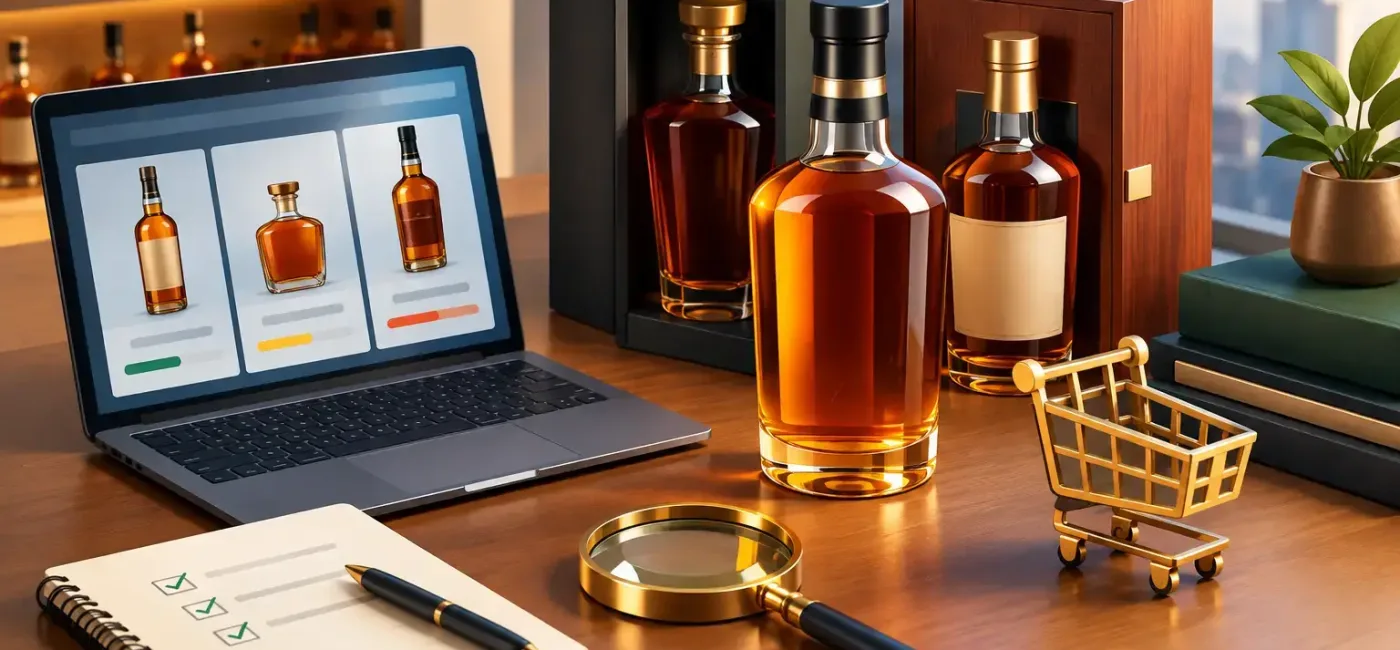
A collectible whisky can look like a smart buy right up until you discover the box is damaged, the seal is suspect, or the same bottle is sitting elsewhere for far less. Knowing how to buy collectible whisky starts with a simple shift: buy the bottle, not the hype around it. A great collectible should make sense for your taste, your budget, and your reason for buying – whether that is drinking it on a milestone, giving it as a gift, or keeping it as part of a focused collection.
Decide What “Collectible” Means to You
Not every expensive whisky is collectible, and not every collectible bottle needs a four-figure price tag. Collectibility usually comes from scarcity, provenance, condition, brand demand, or a combination of all four. A limited release from a respected distillery, a discontinued age statement, a special cask finish, or a bottle tied to a major anniversary can all attract collectors.
Start by choosing your lane. Some collectors follow a single distillery, such as Macallan, Glenfiddich, or Yamazaki. Others collect a category, like Japanese whisky, closed-distillery Scotch, independent bottlings, or limited-edition Johnnie Walker releases. A narrower focus makes buying easier. You will recognize regular pricing faster and avoid filling your shelf with bottles that are merely labeled “limited edition.”
Also decide whether the bottle is meant to stay sealed. If you plan to open it, collect what you genuinely want to drink. Whisky is not a guaranteed investment, and treating every purchase as one can lead to rushed decisions and bottles you do not actually enjoy owning.
Set a Realistic Bottle Budget
The fastest way to overpay is to shop without a price ceiling. Before browsing, set a total budget that includes delivery, taxes where applicable, and any storage accessories you may need. It is sensible to leave room for one better bottle rather than buy several mediocre releases just because they seem exclusive.
Compare the bottle against similar releases, not only against its original retail price. A whisky may have launched at a modest price years ago, but current demand, low remaining stock, and edition status can change the market. That does not automatically make a high asking price fair. Look at the distillery, age statement, bottle size, release year, packaging, and whether it is a standard annual release or a genuinely limited allocation.
Be especially careful with buzz-heavy categories. Japanese whisky, prestige single malts, and highly recognizable luxury labels can command strong premiums. Sometimes that premium is justified by rarity and provenance. Sometimes it reflects a flashy label, a short-term social media trend, or a seller testing the market.
Learn the Details Before You Buy Collectible Whisky
Read the product information closely. The most useful details are usually straightforward: distillery or producer, age statement, ABV, bottle size, release name, edition number, and whether the bottle comes with its original presentation box. These facts matter more than broad claims about exclusivity.
An age statement tells you the age of the youngest whisky in the bottle. A no-age-statement release is not automatically inferior, but you should understand what you are paying for. In collectible whisky, a 25-year statement, a closed distillery name, or a clearly documented single-cask release may carry more long-term interest than vague phrases such as “rare selection.”
For single casks and independently bottled whisky, check the cask type and bottle count if disclosed. A release of 180 bottles is meaningfully different from a widely distributed special edition. For blends, look at the release history and the significance of the edition. An anniversary bottling from an established house may have stronger collector appeal than a generic gift-set version that appears every holiday season.
Check Condition Like a Collector
Condition can make a substantial difference, particularly when buying older or discontinued bottles. Inspect photos and descriptions carefully before paying a premium. The label should be clean and intact, the capsule and seal should show no signs of tampering, and the fill level should be appropriate for the bottle’s age.
The original box, tube, wooden case, certificate, booklet, or accessories can add value, especially for prestige releases. They are not always essential if your aim is to drink the whisky, but they matter if resale potential or presentation is part of the appeal. A pristine bottle with complete packaging is usually easier to value and easier to gift.
Older bottles deserve extra scrutiny. Minor label wear can be normal, but a low fill level, leaking cork, damaged seal, or unclear history should affect the price. Ask questions before buying rather than assuming a rare-looking bottle is automatically authentic or well stored.
Buy From Sellers You Can Trust
For most buyers, a licensed retailer with clear product details and reliable fulfillment is the simplest route. You know the bottle price upfront, can confirm stock status, and have a direct point of contact if there is a delivery or condition issue. This is particularly useful for current limited releases, premium single malts, and collectible gift bottles.
Auctions, private sellers, and secondary-market listings can offer access to older releases, but the trade-off is higher risk. Fees can add up quickly, and authenticity checks become more important. If you are new to collecting, avoid making an expensive first purchase through a listing with poor photos, vague provenance, or pressure to pay immediately.
A bottle’s history matters. Keep receipts, order confirmations, and any documentation that came with a limited release. If you later gift, trade, or sell a bottle where legal, a clear purchase record gives the next owner more confidence.
Know Which Releases Hold Attention
The bottles that tend to remain desirable usually have a clear story. They may come from a respected distillery, mark a real milestone, carry an age statement that is no longer common, or represent a limited run with documented numbers. Brand recognition helps, but the details separate a lasting collectible from a bottle that fades after one festive season.
Look for releases that fit at least one of these patterns:
- A discontinued expression or an age statement that has become difficult to find.
- A numbered limited edition from an established distillery or whisky house.
- A single-cask bottling with a stated cask type, bottling date, and bottle count.
- A special release with complete original packaging and documented provenance.
This is not a promise that prices will rise. Even sought-after whisky can flatten in value when too many buyers chase the same category, when new releases dilute interest, or when the broader market cools. Collect because the bottle earns its place on your shelf today.
Store It Properly From Day One
Once you have bought a collectible bottle, storage is part of the purchase. Keep whisky upright, away from direct sunlight, heat, and sharp temperature changes. Unlike wine, whisky should not be stored on its side for long periods because high-proof spirit can damage the cork.
A dark cabinet in a stable, air-conditioned part of the home is usually a practical option. Keep the bottle in its presentation box if you have one, both for protection and to preserve the complete set. Avoid displaying premium bottles on a sunny counter or near a kitchen stove, no matter how good they look there.
If you open a collectible bottle, take a moment to enjoy it rather than treating that choice as a mistake. For a drinking collection, note when you opened it and keep the cap secure. Whisky generally holds up well after opening, though very low remaining volume can change more quickly over time.
Build a Collection One Good Bottle at a Time
A strong collection is rarely built in one shopping session. Watch releases, compare prices, and buy when a bottle fits your criteria rather than chasing every launch. Setting alerts for preferred brands, checking edition details, and buying from dependable stockists will take you further than reacting to scarcity language.
The best collectible whisky is often the bottle you can explain clearly: why it was released, what makes it distinct, what condition it is in, and why you wanted it. Keep that standard, and every bottle you bring home will feel considered – whether it stays sealed for years or gets opened with the people who matter.