





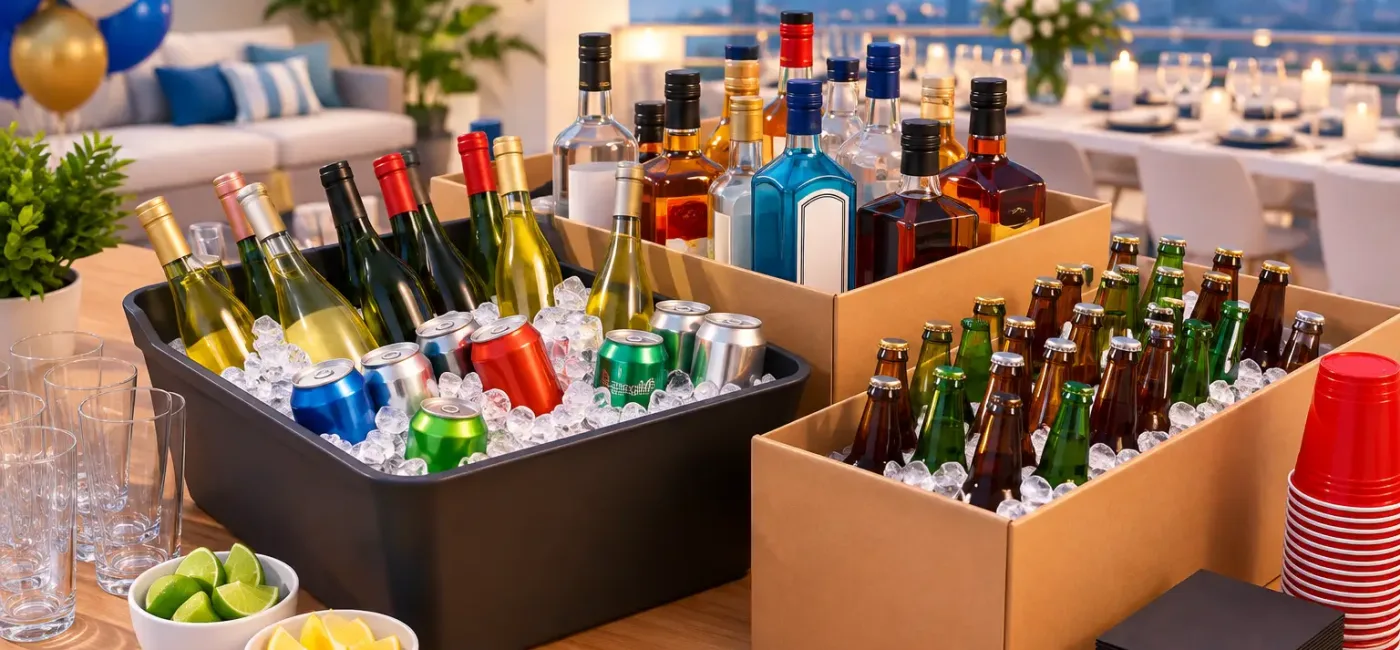
A party can look perfectly planned until the drinks run low halfway through the night. Bulk alcohol orders solve that problem, but buying more is not the same as buying smart. The right order keeps guests covered across the entire event, matches the crowd’s preferences, and avoids tying up your budget in bottles that stay unopened.
For a casual home gathering, a corporate dinner, a wedding, or a milestone celebration, start with the guest list and the way people will actually drink. A good plan is less about chasing an exact bottle count and more about building a flexible mix: familiar beers, easy wine, a few reliable spirits, and premium bottles where the occasion calls for them.
Start With the Event, Not the Bottle
The number of guests is the first figure to know, but it is not the only one that matters. A two-hour lunch, a six-hour wedding reception, and an office year-end party require very different quantities. The time of day matters too. Afternoon events generally lean lighter than dinner events, while a late-night celebration may move quickly through beer, mixers, and spirits.
As a practical starting point, estimate two drinks per guest for the first two hours, then one additional drink per guest for each hour after that. This is a planning baseline, not a hard rule. If dinner is being served, guests may drink more wine. If cocktails are the centerpiece, factor in more spirits, ice, mixers, and garnishes. If many guests are driving, include non-alcoholic wine, soft drinks, and water from the beginning rather than treating them as an afterthought.
It also helps to think about your audience before choosing labels. A group of whisky enthusiasts may appreciate a premium single malt or a limited-edition Johnnie Walker bottle. A larger mixed crowd is often better served with accessible beer, crisp white wine, versatile red wine, and recognizable spirit brands. Buy for the people attending, not for an imaginary perfect bar.
Build Bulk Alcohol Orders Around a Balanced Mix
A balanced order gives guests choice without making purchasing needlessly complicated. For most parties, beer, wine, and one or two spirit options create the strongest foundation. Champagne or sparkling wine can be added for a toast, arrival drinks, or a more celebratory atmosphere.
Beer is often the simplest volume purchase. It is easy to serve, familiar to many guests, and works well for casual parties, game nights, office gatherings, and outdoor celebrations. A mix of lager and stout or craft-style options can add variety, but avoid spreading the order across too many individual styles unless you know the group well.
Wine works across more occasions because it can be poured with food or served on its own. For a straightforward selection, choose one red and one white. Add rosé for daytime events or warmer weather, and sparkling wine when you want the room to feel more festive. Dry sparkling wine remains one of the most adaptable choices because it works before dinner, during a toast, and with a wide range of dishes.
Spirits make sense when cocktails are planned or when guests expect a more premium drinks table. Vodka, gin, whisky, tequila, and rum each serve a different purpose. You do not need every category. For example, vodka and gin cover many easy highballs, while tequila is a natural fit for Mexican food or a celebratory crowd. Whisky can be served neat, on the rocks, or mixed, but premium bottles should be purchased with intention. A collectible bottle is a memorable host gift or centerpiece, not necessarily the most efficient way to serve 80 guests.
Choose Quantities Without Overbuying
Cases and multi-bottle pricing can make bulk buying more cost-effective, especially for beer, wine, and repeat-purchase spirits. Still, the lowest per-bottle price is only a real saving if the product fits your event. Ordering a full case of a bold red wine for a lunchtime gathering may look efficient on paper and sit untouched in practice.
Use a simple split for mixed adult groups: around half of projected servings can be beer and wine, with the remaining share divided between spirits, sparkling wine, and non-alcoholic choices. Shift that ratio based on the event. A dinner party may be wine-led. A birthday celebration with cocktails may need more spirits and mixers. A corporate afternoon event may require a lighter alcohol mix and more non-alcoholic options.
Do not forget serving sizes. A standard 750 ml wine bottle provides about five glasses. A 750 ml spirit bottle provides roughly 16 standard pours before mixers and cocktail recipes change the math. Beer cartons and cases vary by can or bottle size, so check the format rather than assuming every case serves the same number of people.
A modest buffer is sensible for longer events and larger groups. About 10 percent extra is usually enough to protect against a popular choice running out. Going far beyond that can be wasteful unless you are stocking a home bar, buying for a multi-day event, or choosing products that will be used later.
Buy Mixers and Ice as Part of the Order
A spirits-heavy event fails fast without enough soda, tonic, cola, juice, sparkling water, and ice. These are not minor details. They determine how many drinks your bottles can actually produce and how smoothly the bar operates.
Match mixers to the spirits you selected. Gin needs tonic or soda. Whisky often benefits from soda, ginger ale, or cola depending on guest preferences. Tequila can work with soda, citrus, and juice. Keep plain sparkling water available across the board. It doubles as a non-alcoholic option and a useful palate reset between drinks.
Ice is equally important, especially in Singapore’s heat or for outdoor venues. Plan for more ice than seems necessary if cocktails, highballs, or canned drinks are involved. A warm drink is rarely a guest’s second choice.
Make the Premium Bottles Count
Bulk ordering does not mean every bottle needs to be basic. The strongest event orders often pair value-focused volume with a few standout choices. This approach keeps costs controlled while giving hosts something special to pour during a toast, present to a guest of honor, or place at a VIP table.
Champagne is an obvious upgrade for weddings, anniversaries, and formal launches. A respected single malt can elevate a corporate gift table. Premium tequila may suit a birthday dinner better than a large selection of unrelated spirits. The key is to choose one or two premium moments rather than treating the entire order as a luxury display.
Consider whether premium bottles are for serving, gifting, or both. If they are meant for guests to enjoy, assign them to a clear time or table. Otherwise, the event’s best bottle can disappear before the host has a chance to offer it properly.
Plan Delivery, Storage, and Service
Buying the right drinks is only half the job. Bulk alcohol orders need a delivery plan that leaves time for checking quantities, chilling bottles, and organizing the service area. Do not schedule delivery so tightly that a small timing issue becomes an event-day problem.
For Singapore events, express delivery can be useful for last-minute additions, but earlier ordering gives you more room to select preferred brands, formats, and quantity tiers. Jarbarlar’s broad range makes it easier to combine beer cases, wines, Champagne, premium spirits, and non-alcoholic options in one order rather than splitting the shopping across several stores.
Store beer, white wine, rosé, and sparkling wine chilled well before guests arrive. Red wine generally does not need to be ice-cold, but a warm room can push it above a comfortable serving temperature. Keep backup stock out of sight and replenish the visible bar gradually. This makes the setup look considered and helps you see what is moving fastest.
For self-serve setups, label the available drinks clearly and place openers, cups or glassware, napkins, ice, and mixers within easy reach. For a staffed bar, share the planned drink menu in advance so the team knows which bottles are for mixing, which are for neat pours, and which are reserved for a toast.
A Better Way to Handle Last-Minute Changes
Guest counts change. Some people bring plus-ones, and others cancel on the day. Rather than reworking the entire order, keep the core mix stable and adjust the most flexible categories. Beer, approachable wine, sparkling water, and standard mixers are usually the easiest additions. These are also items that remain useful after the event.
If the budget tightens, reduce the number of spirit categories before cutting too deeply into beer and wine volume. Fewer options, properly stocked, feel more generous than a wide bar where every bottle is nearly empty. If the guest list grows, increase the crowd-friendly products first and reserve premium bottles for the moments that matter.
The best bulk alcohol order is one that guests barely have to think about. There is always something cold, familiar, and ready to pour, with a few bottles that make the occasion feel special. Order early, keep the mix practical, and leave yourself enough breathing room to enjoy the event instead of counting drinks.