



Islay Whisky vs Japanese Whiskey – What You Should Choose?
When it comes to choosing a good bottle of whisky, people often find themselves at a crossroads: Japanese or Islay Whisky. Both of these countries are known for their remarkable spirits that have fascinated palates around the world. However, both of these whiskies represent distinct philosophies, flavors, and traditions.
Now, the question that strikes the mind of enthusiasts is which brand or type they should choose for their special moments or celebrations. Therefore, here we will dive into what makes each whisky unique, compare their characteristics, and help you decide which one deserves a place in your glass.
What Makes Islay Whisky Unique and Alluring?
Islay, a small island off the west coast of Scotland, is referred to as the “Queen of the Hebrides.” Renowned for its rugged landscapes, fresh sea air, and traditional distilling practices, Islay whisky is identified with its bold flavors, smoky peat, briny sea notes, and complex profiles that can be both intense and refined.
Famous distilleries like Laphroaig, Ardbeg, and Lagavulin have become icons, each with their unique interpretations of the Islay style.
Flavor Profile of Islay Whisky
Islay whiskies are known for their smoky and peaky character, which is a result of the local practice of drying malted barley over peat fires. This imparts a smoky essence that can range from gentle to overpowering.
You can also taste the flavors of seaweed, iodine, and even medicinal notes, which evoke the island’s coastal environment. Islay whiskies are rich and full-bodied, with a smooth finish that makes them one of the favorites among thousands of brands.
The Craftsmanship
What sets Islay Whisky apart is its commitment to traditional methods. Countless distilleries still employ time-honored techniques that date back centuries, using pot stills and natural ingredients. The rugged environment of Islay, with its abundant water sources and local barley, contributes to the unique terroir that defines these whiskies. This commitment to craftsmanship and authenticity is a hallmark of Islay’s identity.
Japanese Whiskey – An Elegant Choice for Enthusiasts
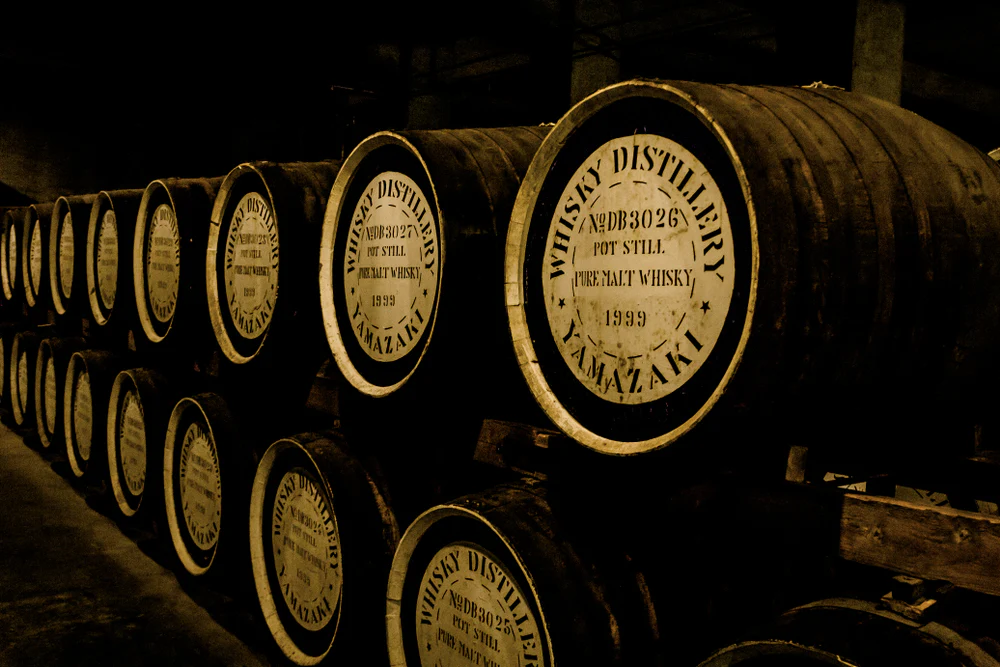
Japanese whiskey has become a global sensation over the last few decades, earning honors for its meticulous craftsmanship and subtle flavors. Japanese producers like Yamazaki, Nikka, and Hakushu took inspiration from Scottish distilling traditions and also created a style that is lighter, fruitier, and more delicate than their Islay counterparts.
Flavor Profile of Japanese Whiskey
Japanese whiskies are known for their smooth texture and complex flavors. They feature floral notes, fruits like apple and pear, and a subtle hint of oak. Various Japanese whiskies emphasize a balance between ingredients, which makes them approachable for both novices and seasoned connoisseurs.
Japanese whisky producers use various types of cask, such as American oak, sherry, and even Japanese Mizunara oak, which also adds layers of flavor that can be both pleasant and intricate.
The Craftsmanship
The artistry behind Japanese whiskey lies in their meticulous attention to detail. Numerous Japanese distillers prioritize small-batch production and focus on quality over quantity.
Their processes of whisky making are shrouded in secrecy, with a strong emphasis on achieving the perfect blend. The use of pure, soft water and local ingredients also enhances the character and essence of the whisky, which results in spirits that are not just beverages but expressions of art.
Comparing Islay and Japanese Whiskey – Which One Is For You?
Flavor Intensity
One of the most significant differences between Islay and Japanese whiskies is their flavor intensity. Islay whiskies are known for their bold, smoky profiles, while Japanese whiskies tend to offer a more subtle and nuanced experience. If you’re a fan of rich, powerful flavors, Islay whisky might be your go-to. On the other hand, if you prefer something lighter and more refined, a Japanese one could be your ideal choice.
Production Philosophy
Islay whisky production adopts traditional techniques that highlight the island’s unique environment. On the other hand, Japanese whiskies reflect a unique combination of traditional and innovative approaches, which results in a style that respects its roots while exploring new horizons. This difference in production methods between the both can also influence your choice.
Availability and Price
Both Islay and Japanese whiskies can vary significantly in terms of availability and price. Islay whiskies tend to be widely available, with many offerings at different price points. However, Japanese whiskies, especially premium brands, can sometimes be harder to find and may come with a higher price tag, particularly for limited editions.
Both of these whiskies are premium and have unique flavor profiles. You must consider the flavors and occasions before buying any of these two.
The Bottom Line
Both Islay and Japanese whiskies have their unique charms and complexities. Whether you find yourself enchanted by the smoky allure of Islay or captivated by the delicate elegance of Japanese whisky, the choice reflects your individual taste.
Jarbarlar brings the sophisticated taste of Islay and the elegance of premium Japanese whiskies to your doorstep. With our extensive collection, you can easily order yourself a limited edition without searching stores. So, pour a dram, take a moment to savor, and enjoy the journey through the fascinating world of whisky with Jarbarlar today.