





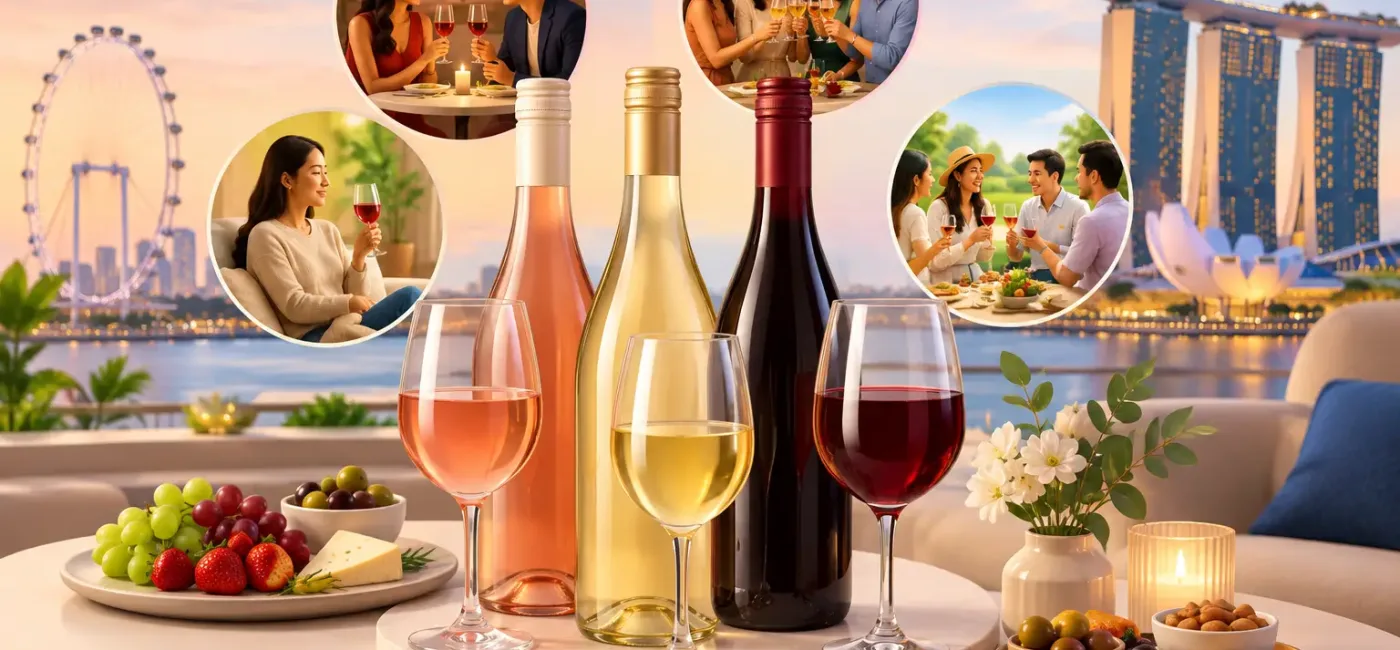
A dinner table does not need to split into people drinking wine and people settling for water. Non alcoholic wine Singapore shoppers choose can give designated drivers, early starters, health-conscious guests, and anyone taking a night off a proper glass to raise. The best bottles still bring familiar wine cues: a crisp pour before dinner, something sparkling for a toast, or a fuller red alongside a shared meal.
The key is buying with realistic expectations. Non-alcoholic wine is not simply standard wine with the alcohol removed and nothing changed. Alcohol carries aroma, texture, and warmth, so a good bottle needs balance to remain satisfying after dealcoholization. Pick the right style for the occasion, chill it correctly, and serve it in a wine glass rather than treating it as an afterthought.
What non-alcoholic wine actually is
Most non-alcoholic wines begin as conventional wine. Grapes are fermented, then the alcohol is removed through a controlled process designed to preserve as much flavor and aroma as possible. This is why the better options can still show varietal character, acidity, fruit, and structure rather than tasting like plain grape juice.
There is an important label detail to check. Some bottles are marked 0.0% ABV, while others may contain a very small residual amount of alcohol, often up to 0.5% ABV depending on the product and market. Neither style is automatically better, but the distinction matters for personal preferences, dietary requirements, pregnancy, medication considerations, and alcohol-free commitments. Read the bottle rather than assuming every product follows the same standard.
Sweetness is another point where labels can be misleading. A wine can be alcohol-free without being sweet, and a sparkling wine can be dry, off-dry, or noticeably fruity. If you usually reach for Sauvignon Blanc, dry Prosecco, Pinot Noir, or rosé, use that preference as your starting point. It is more useful than choosing solely by the words “non-alcoholic.”
Choosing non alcoholic wine in Singapore
Singapore occasions move quickly from weekday dinners to birthday reservations, office celebrations, baby showers, and full-scale house parties. That makes versatility valuable. Instead of buying one bottle and hoping it fits every moment, choose a style that matches the food, guest list, and time of day.
Sparkling is the easiest crowd-pleaser
For a toast, sparkling non-alcoholic wine is usually the safest place to start. Bubbles add lift and celebration, while the chilled serving temperature keeps the drink refreshing in Singapore’s heat. It works before dinner, with canapés, and at events where guests are circulating rather than sitting down for a full meal.
Look for a dry or brut-style sparkling option if savory food is on the menu. It will sit better with smoked salmon, fried snacks, sushi, cheese boards, and salty finger food than a very sweet bottle. Fruit-forward sparkling styles can be a better fit for brunches, desserts, and casual daytime gatherings.
Whites and rosés suit warm-weather meals
A bright non-alcoholic white or rosé is a practical choice for seafood, salads, grilled chicken, Thai food, and lighter Chinese dishes. Serve it well chilled, around 45 to 50°F. That is cold enough to sharpen the finish without flattening every aroma.
Crisp styles with citrus, apple, tropical fruit, or floral notes are generally more convincing when alcohol has been removed because fresh acidity gives them shape. Rosé also earns its place at a gathering when people want something more flavorful than a basic soft drink but lighter than red wine.
Reds need the right food and expectations
Non-alcoholic red wine can be rewarding, but it is the most demanding style to buy. A conventional red relies on alcohol for body and a warming finish, so alcohol-free versions may feel lighter, fruitier, or more tart. That does not make them a poor choice. It simply means they shine with the right pairing.
Choose reds for pizza, pasta, roasted meats, mushroom dishes, charcuterie, and barbecue. Serve them lightly chilled, around 55 to 60°F, especially in a warm room. A short chill often makes the fruit cleaner and the tannins less aggressive. If your guests expect a dense, high-proof Cabernet, manage expectations. If they want a red-style pour that keeps dinner inclusive, it can work very well.
How to make the bottle taste its best
Serving conditions matter more than many shoppers expect. A bottle that tastes flat at room temperature may become crisp and balanced after adequate chilling. Sparkling wine should be cold, whites and rosés should be properly chilled, and reds should not sit beside a hot grill or in direct sun.
Use glassware with enough room for aroma, particularly for still wines. A flute keeps bubbles lively for sparkling wine, though a standard white-wine glass can make a more aromatic sparkling bottle feel more expressive. Open sparkling bottles only when guests are ready to drink. Once the bubbles fade, the wine can lose much of its appeal.
Do not assume a non-alcoholic bottle must be opened far in advance to “breathe.” In most cases, that does more harm than good. For a red, pouring it 10 to 15 minutes before food arrives is enough to take the edge off. For white, rosé, and sparkling styles, freshness is the priority.
Buying for a mixed group without overbuying
When hosting, non-alcoholic wine works best as a considered part of the drinks plan, not a single token bottle placed at the end of the table. Estimate how many guests are likely to choose it, then select at least two styles if the occasion runs longer than a quick toast. A sparkling bottle plus a still white or rosé covers most gatherings better than two bottles of the same type.
A standard 750 ml bottle typically serves five small pours or four more generous glasses. For a dinner party of eight where two guests are drinking non-alcoholic options, one sparkling bottle for arrival and one still bottle for dinner is a sensible baseline. For a larger event, include extra sparkling because it disappears fastest during speeches and photos.
Check these four details before adding bottles to your cart:
- ABV labeling, especially if a guest needs 0.0% ABV.
- Dryness or sweetness, based on the menu and personal taste.
- Bottle size and serving count for the number of guests.
- Delivery timing and stock status, particularly before weekends and public holidays.
For corporate functions and family celebrations, offering a non-alcoholic option beside wine, beer, spirits, and soft drinks is good hosting, not a compromise. It lets every guest join the occasion with a drink that feels intentional. Jarbarlar makes it easier to build that mix in one order, whether you need a few dinner bottles or drinks for a larger event.
Pairing without making it complicated
The simplest rule is to match intensity. Light, zesty non-alcoholic whites belong with delicate seafood, salads, and fresh herbs. Rosé handles spice, grilled food, and casual sharing plates. Sparkling wine cuts through fried food and salt. Red styles belong with richer sauces, meat, mushrooms, and aged cheese.
Sweetness changes the equation. A sweeter bottle can calm chili heat, so it may suit spicy curries or hot wings better than a bone-dry white. It may clash, however, with savory dishes that already have sweet sauces. When uncertain, choose a dry sparkling option for starters and a bright white or rosé for the meal.
For dessert, do not force a red wine pairing. A chilled fruity sparkling option often works better with fruit tarts, light cakes, and chocolate-free desserts. If the dessert is very sweet, serve the wine colder so it stays refreshing.
A better bottle for every guest
The strongest reason to keep non-alcoholic wine on hand is not that it imitates every detail of conventional wine. It is that it gives people a real choice at the table. Select a style that suits the food, check the ABV statement, keep it cold, and put it out with the same care as every other bottle. Your guests will notice the difference.